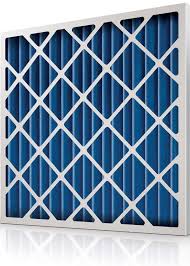
Filters
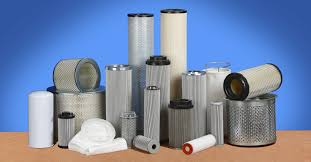
Cell Deck Pads
Filters are essential parts of HVAC systems, industrial processes, and air purification units. They remove dust, dirt, particles, and contaminants from air or fluids. They enhance air quality, protect equipment, and ensure the system runs smoothly.
In HVAC systems, filters play a key role in keeping airflow clean and preventing coils from clogging. They also improve energy efficiency while maintaining occupant health.
Types of Filters in HVAC & Industrial Applications
Air Filters
- These filters clean air before it goes into the HVAC system or is supplied to indoor spaces.
- Filter Type Efficiency Usage Area
- Pre Filters Low (Coarse filtration, up to 40% arrestance) Initial filtration stage, prevents large particles like dust and hair
- Fine Filters Medium (MERV 8-13) Offices, malls, hotels
- HEPA Filters High (99.97% @ 0.3 microns) Hospitals, clean rooms, laboratories
- ULPA Filters Ultra-High (99.999% @ 0.12 microns) Pharmaceutical plants, semiconductor industries
Panel Filters
- Material: Synthetic fiber, pleated paper, or polyester.
- Purpose: Trap large particles such as dust, lint, pollen, and other debris in the air.
- Applications: AHUs, FCUs, ventilation systems.
Advantages
- Economical
- Easy to install and replace
- Available in washable and disposable types
Bag / Pocket Filters
Made with synthetic or fiberglass media in multiple pockets to increase surface area.
Efficiency: Medium to high (MERV 9-14).
Applications: Commercial buildings, hospitals, and industries that need clean airflow.
Features
- High dust holding capacity
- Long service life
- Better airflow with low pressure drop
HEPA Filters (High-Efficiency Particulate Air)
Efficiency: 99.97% filtration of particles as small as 0.3 microns.
Applications
- Hospitals and operating rooms
- Pharmaceutical industries
- Clean rooms
- Laboratories
Purpose: Capture bacteria, viruses, and very fine dust particles.
Carbon / Charcoal Filters
Contain activated carbon granules that absorb odors, fumes, and gases.
Applications
- Commercial kitchens
- Paint booths
- Laboratories
- Industrial exhaust systems
Oil Mist Filters
Capture oil mist, fumes, and grease from manufacturing processes.
Applications
CNC machines, food industries, workshops.
Wire Mesh Filters
Made from galvanized or stainless steel mesh.
These are washable and reusable.
Commonly used in industrial exhaust and pre-filtration applications.
Applications of Filters
- HVAC Systems: For clean and healthy indoor air.
- Industrial Processes: Protect machinery from contamination.
- Hospitals & Labs: Maintain sterile environments.
- Paint Booths: Remove paint overspray particles.
- Clean Rooms: For pharmaceutical and electronics industries.
- Agriculture: Poultry farm ventilation systems.
Benefits of Using Filters
- Improves Indoor Air Quality (IAQ): Removes dust, allergens, and pollutants.
- Protects Equipment: Prevents damage to coils, blowers, and ducts.
- Energy Efficiency: Clean filters reduce system strain and lower energy costs.
- Health & Safety: Reduces the spread of bacteria and harmful contaminants.
- Regulatory Compliance: Meets clean air and safety standards.
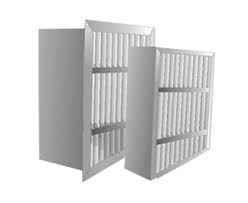
Fine Filters, Effective Air Filtration for Clean and Healthy Environments
Fine Filters are medium to high-efficiency air filters that capture smaller airborne particles like dust, pollen, mold spores, bacteria, and other fine pollutants. They are commonly used in HVAC systems, clean rooms, hospitals, pharmaceutical industries, and commercial spaces where good indoor air quality (IAQ) is vital.
Fine filters are typically installed after pre-filters in a multi-stage filtration system. This setup ensures that smaller particles are removed before the air reaches sensitive areas or equipment.
Purpose of Fine Filters
- Improve indoor air quality by removing fine dust and allergens.
- Protect HEPA filters and other high-quality filters by reducing their load.
- Maintain clean, sterile environments in hospitals, laboratories, and manufacturing units.
- Extend the lifespan of HVAC equipment by preventing coil contamination.
Pre Filters
Pre Filters, the first line of air filtration in HVAC systems and industrial ventilation setups, capture larger airborne particles. These include dust, lint, hair, pollen, and other visible debris. They do this before the air passes through finer filters like Fine Filters or HEPA Filters.
By trapping coarse particles early, pre filters help downstream filters last longer. This reduces maintenance costs and protects important HVAC parts, such as coils, fans, and ductwork.
Purpose of Pre-Filters
- Remove large contaminants to prevent clogging of higher-efficiency filters.
- Protect AHUs (Air Handling Units) and FCUs (Fan Coil Units) from heavy dust buildup.
- Improve airflow efficiency and reduce energy use.
- Improve indoor air quality by reducing dust circulation.
- Lower overall maintenance costs by prolonging filter life.